In a functioning democracy, citizens need reliable information to make informed decisions. But a troubling question looms over Ghana’s media landscape: how can people evaluate the reliability of information if they don’t know who provides it?
As we commemorate World Press Freedom Day under the theme “Reporting in the Brave New World – The Impact of Artificial Intelligence on Press Freedom and the Media,” we must confront an older, more fundamental issue threatening our media ecosystem: the crisis of media ownership concentration.
Let’s speak plainly: Ghana’s media has become a battleground for political influence. The relationship between media owners and politicians isn’t just cozy—it’s incestuous. Many of our prominent media houses are directly owned by politicians or their proxies, creating an obvious conflict of interest that poisons public discourse.
Consider this uncomfortable reality: media outlets that should function as independent watchdogs often transform into propaganda machines during election cycles. Editorial decisions shift not based on news value but on political expediency. When the same people who craft policies also control the narratives about those policies, democracy suffers.
The state-owned media situation is particularly alarming. Despite constitutional provisions mandating editorial independence, Ghana Broadcasting Corporation and other state outlets routinely tilt coverage to favor sitting governments. This pattern persists regardless of which party holds power—NPP or NDC—suggesting a systemic failure rather than isolated incidents.
What’s more controversial is how this political control extends even to supposedly independent private media. Through licensing requirements, advertising revenue, and regulatory pressures, governments have developed sophisticated mechanisms to discipline media organizations that step out of line. The result? Self-censorship becomes institutional practice, with journalists instinctively avoiding topics that might antagonize powerful interests.
The Media Ownership Monitor’s findings for Ghana reveal a startling reality behind our seemingly diverse media landscape. While Ghana boasts hundreds of media outlets, actual audience concentration is alarmingly high. In print media alone, just four companies—Graphic Communications Group Limited, New Times Corporation, Western Publications Limited, and Business and Financial Times Limited—control a staggering 95.9% of readership. Even more concerning, 72.1% of readers choose state-run newspapers for information.
This concentration creates a dangerous illusion of choice. As Lisa-Maria Kretschmer of Reporters Without Borders notes, “A high number of TV outlets, radio channels or newspapers, does not necessarily mean a pluralistic media landscape.” When audiences gravitate toward a handful of sources, a small group of media owners gains tremendous influence over public opinion.
The colonial legacy of media ownership in Ghana began with state control, as publications like The Royal Gold Coast Gazette were instruments of the British colonial administration. While our 1992 constitution wisely provides for both state and private media to operate side-by-side, we’ve simply replaced colonial control with domestic political capture.
Perhaps most controversial is how this political ownership has fostered extreme partisanship. Media outlets increasingly function as party mouthpieces rather than public servants. When journalists become political operatives with microphones and printing presses, truth becomes collateral damage in partisan warfare.
This partisan media ownership directly fuels Ghana’s increasingly polarized political climate. Citizens retreat to information silos that confirm existing biases rather than challenging them to consider multiple perspectives. Democracy requires a shared factual basis for debate—something increasingly rare in Ghana’s fragmented media environment.
Today’s media faces what James Curran describes as the “re-feudalization of society”—media outlets functioning not as platforms for organic public opinion but as manipulative agencies controlling mass sentiment. This shift contradicts the media’s normative role in democracy: enabling citizens to make informed judgments about their political leaders and participate effectively in governance.
The threat comes from two directions. First, political ownership and interference compromise editorial independence. Second, profit motives and dependence on advertising revenue from politically connected businesses create subtle pressures to self-censor. As McChesney argues, when financial elites control media, there’s merely “a shift in the locus of power” from political leadership to commercial interests—both serving narrow agendas rather than public good.
Let’s be blunt about the consequences: wealthy business owners with political connections can effectively silence criticism through their media holdings. When the same conglomerate that owns major media outlets also holds government contracts, critical reporting on those contracts mysteriously disappears. This isn’t speculation—it’s observable reality in Ghana’s media ecosystem.
We must start naming names. While our regulatory framework obscures full ownership details, Ghanaians deserve to know which politicians and business tycoons control their information sources. The same political figures who rail against media bias often quietly maintain stakes in media organizations. This hypocrisy undermines public trust in both media and democratic institutions.
The consequence for Ghana’s democracy is severe. Media polarization and partisanship intensify when ownership is concentrated or politically aligned. Research by Cagé and Mougin demonstrates that party-tied media systems produce highly partisan content, undermining the balanced information citizens need.
Transparency is just the first step toward addressing this crisis. How can journalists work with integrity if they don’t know who controls their company? How can media authorities address excessive concentration if ownership structures remain hidden behind complex corporate arrangements?
Ghana needs stronger regulatory frameworks that ensure ownership transparency and prevent monopolistic control. We should consider McChesney’s call for restructuring the media system to reconnect with ordinary citizens, perhaps through expanded non-profit and non-commercial media spaces that prioritize public interest over sectarian or financial motives.
Most controversially, we may need to consider direct public subsidies for truly independent journalism, with robust firewalls against political interference. Countries with the strongest press freedom often combine market-based media with well-funded public service journalism—a model Ghana might explore.
The question we face isn’t just about who owns the media, but about who controls the narrative of our democracy. When a handful of politically connected entities dominate information flows, the marketplace of ideas becomes distorted—and with it, our ability to hold power accountable.
As citizens, we must demand transparency in media ownership and support diverse, independent outlets. As media professionals, we must resist both governmental interference and commercial pressures that compromise editorial integrity. And as a society, we must recognize that a truly free press—one that serves the public rather than power—is essential to Ghana’s democratic future.
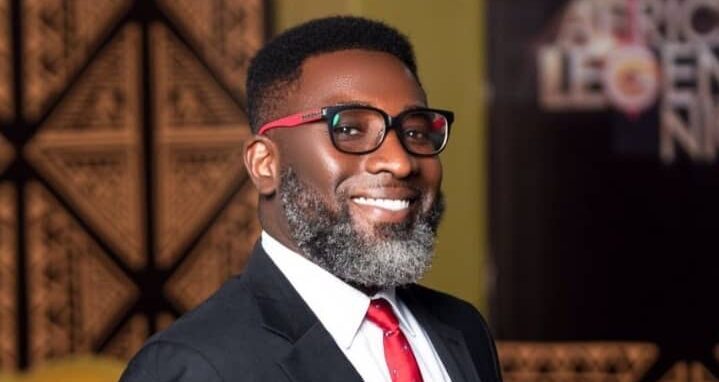
Bismark Brown hosts Epahoadaben, a political affairs show on Happy 98.9FM dedicated to promoting democratic dialogue and accountability in Ghana.