






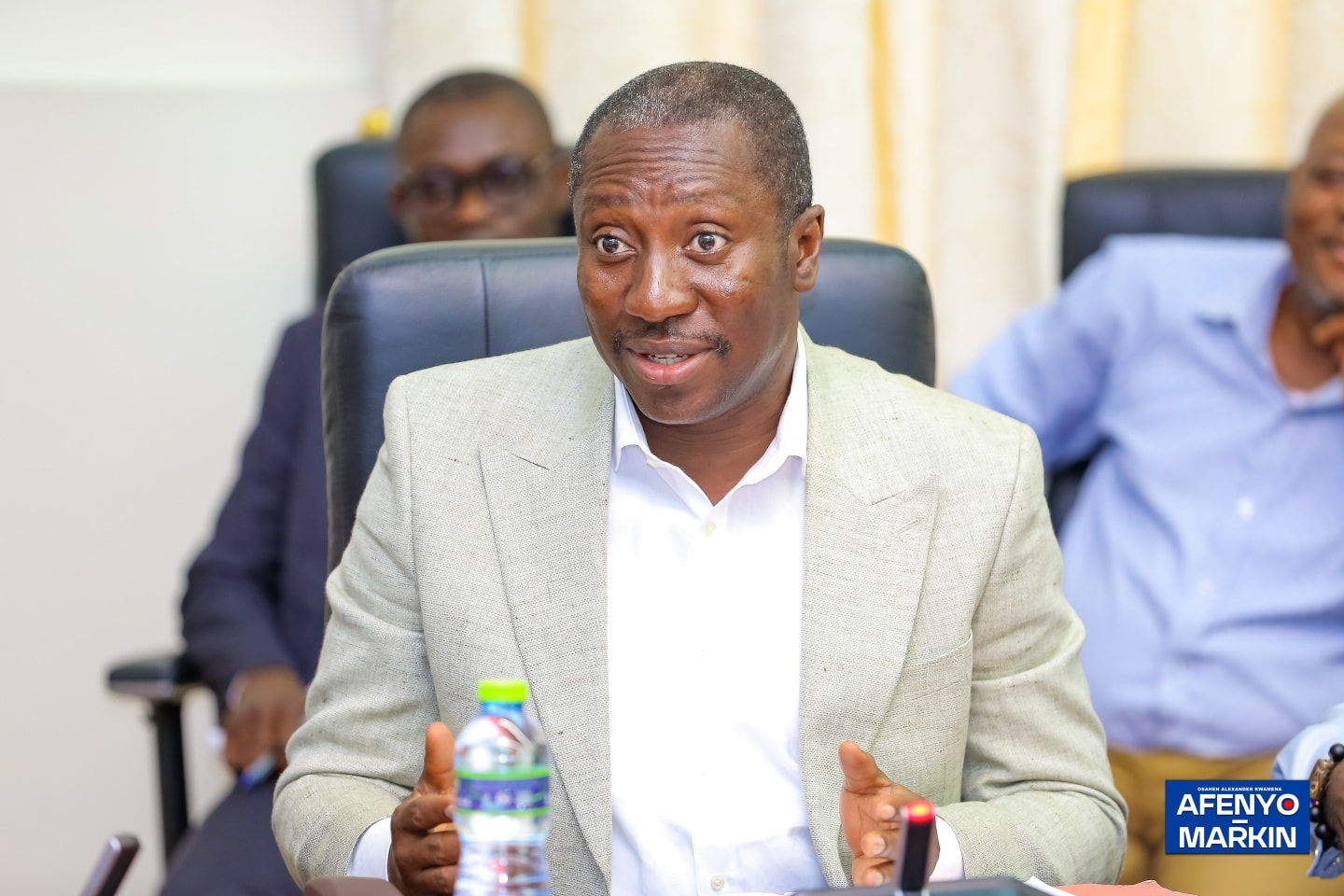
Minority Leader Alexander Afenyo-Markin has called for strict safeguards in the deployment of artificial intelligence systems at Ghana’s ports, stressing the need for clear legal, technical, and procedural standards to guide their use.
He insisted that AI-driven systems in customs operations must function within a rational duty framework, undergo independent validation, and be backed by a transparent and time-bound appeals process.
Mr. Afenyo-Markin made the remarks when he led a delegation of the Minority Caucus to engage the Ghana Employers’ Association over challenges facing businesses.
He cautioned that any deployment of AI in revenue or enforcement must meet established standards, warning that critical safeguards were not in place prior to the rollout of the AI-powered customs assessment system.
The Minority Leader further raised concerns about the lack of stakeholder consultation, noting that the government’s indication that an appeals mechanism is still being developed reflects inadequate engagement with the business community.
He emphasised that while the Minority supports the use of artificial intelligence to improve efficiency, reduce corruption, and enhance revenue mobilisation, its implementation must be properly regulated to ensure fairness.
Mr. Afenyo-Markin warned that deploying AI systems without a reformed duty schedule and a functioning appeals process risks entrenching existing injustices.
He emphasized the Minority’s commitment to pushing for parliamentary scrutiny of the AI customs framework and ensuring accountability measures are in place before any further expansion.