






A Pressure group, Arise Ghana has called for sustained economic accountability and periodic national reflection, warning that complacency or denial could derail Ghana’s recovery from recent economic challenges.
The group made the call on Wednesday, January 7, at a press conference at the Accra International Press Centre, during an independent assessment of the first year of President John Dramani Mahama’s administration.
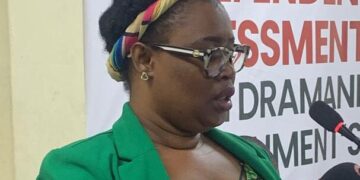
Speaking to the media, Co-Convener of Arise Ghana, Marion Gifty Nyaaba, said Ghana’s fragile economic history makes honest reflection unavoidable, noting that a year ago the country was grappling with severe economic turmoil, social unrest and weakened institutions.
“A year ago, Ghana was not just uncomfortable; we were cornered, trapped in a web of economic turmoil, social unrest and institutional fragility,” she said, adding that the agitation and mobilisation by Arise Ghana and other civil society groups were driven by the need for change.
According to her, while change has come with the current administration, it must be protected and deepened, not merely in terms of a change in government, but in how the country is governed and how citizens’ economic circumstances improve.
Ms Nyaaba stressed that deliberate and periodic assessment of governance and the economy is critical to national progress, citing countries such as Singapore and Rwanda as examples of states that emerged from crisis through tough self-evaluation rather than denial or empty optimism.
“These nations asked hard questions about governance, the economy and society, and adjusted their policies accordingly,” she noted.
She argued that Ghana, as the first sub-Saharan African country to gain independence, deserves a governance culture that prioritises accountability and learning.
“This reflection matters because it forces accountability. It reminds leaders that power is a trust, not a possession, and it empowers citizens to demand better,” she said, adding that such assessments help build resilience and ensure that Ghana’s democracy evolves rather than stagnates.
Ms Nyaaba clarified that the assessment was not intended to assign blame, but to draw lessons to safeguard the future, particularly for ordinary Ghanaians.
Arise Ghana maintained that reflecting on past struggles and measuring current progress is essential to charting a clear path toward sustained economic recovery and a more prosperous future.