





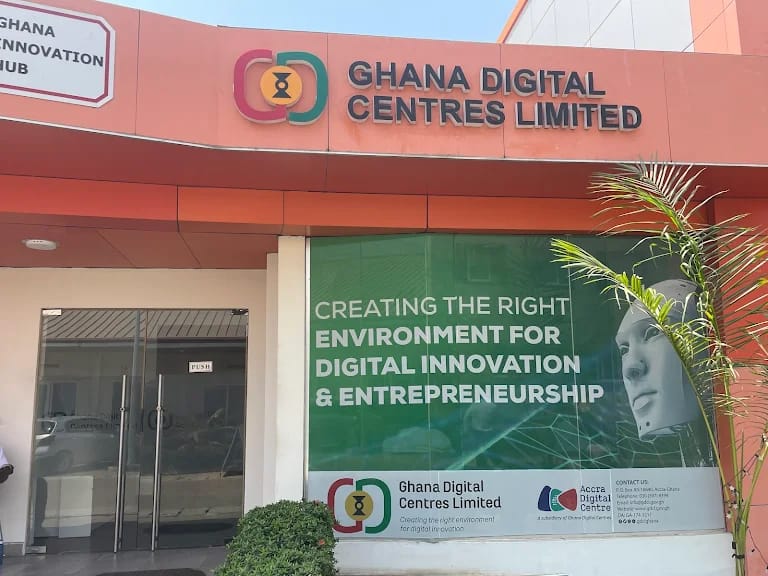
A major procurement scandal has been uncovered at Ghana Digital Centres Limited (GDCL), where over GH₵1.32 million in public funds was paid for 260 laptops that were never delivered, exposing deep failures in oversight and internal controls.
The payment, made on August 21, 2023, followed an invoice issued by Jofasm Limited for the supply of Intel Core i3 laptops intended for a Youth Employment Agency digital skills programme.
Official documentation—including store receipt vouchers, tax invoices, and payment records—indicated that the laptops had been received in full.
However, a later internal audit revealed a stark reality: not a single laptop had been delivered.
According to the Chief Executive Officer of Ghana Digital Centres Limited, Dzifa Gunu, the discrepancy was uncovered shortly after new management took office and initiated a comprehensive review of the organisation’s assets and procurement records.
“The audit findings were clear—there were documents confirming receipt, but physically, the laptops did not exist,” Dzifa Gunu stated. “This was not an administrative error. It pointed to deliberate wrongdoing.”
The transaction, valued at GH₵1,320,575, had moved through GDCL’s systems with apparent legitimacy, raising concerns about possible collusion at senior levels. Former officials, including past leadership figures, are alleged to have played key roles in approving and certifying the transaction despite the absence of actual delivery.
Following the audit, the case was referred to the Criminal Investigations Department (CID) of the Ghana Police Service and the Economic and Organised Crime Office (EOCO), both of which launched formal investigations.
Under mounting pressure, Jofasm Limited attempted to fulfil the contract nearly three years later. On March 30, 2026, the company delivered a batch of laptops to GDCL premises under police supervision.
But the delivery raised even more red flags.
A technical assessment conducted by GDCL’s IT department found that only 83 of the 97 laptops presented could be verified, with 13 of those failing to power on. Fourteen devices were unaccounted for entirely. All units were determined to be refurbished, second-hand machines—far below the specifications outlined in the original contract.
“These were not the laptops we paid for,” Dzifa Gunu said. “They did not meet the required standards in any respect.”
The consignment was rejected, and Jofasm Limited was instructed to either supply the correct equipment or face full legal consequences. Investigators believe that sustained pressure from CID and EOCO was instrumental in forcing any response from the vendor.
The case is now at an advanced stage, with legal proceedings expected to determine both financial recovery and criminal accountability. GDCL has indicated it will pursue the matter until the full value of the contract is recovered.
Beyond the financial loss, the scandal highlights a broader impact: the missed opportunity for hundreds of young Ghanaians who were meant to benefit from the digital skills programme the laptops were intended to support.
GDCL has since initiated a review of its procurement systems to prevent similar incidents in the future, as the case continues to unfold.