





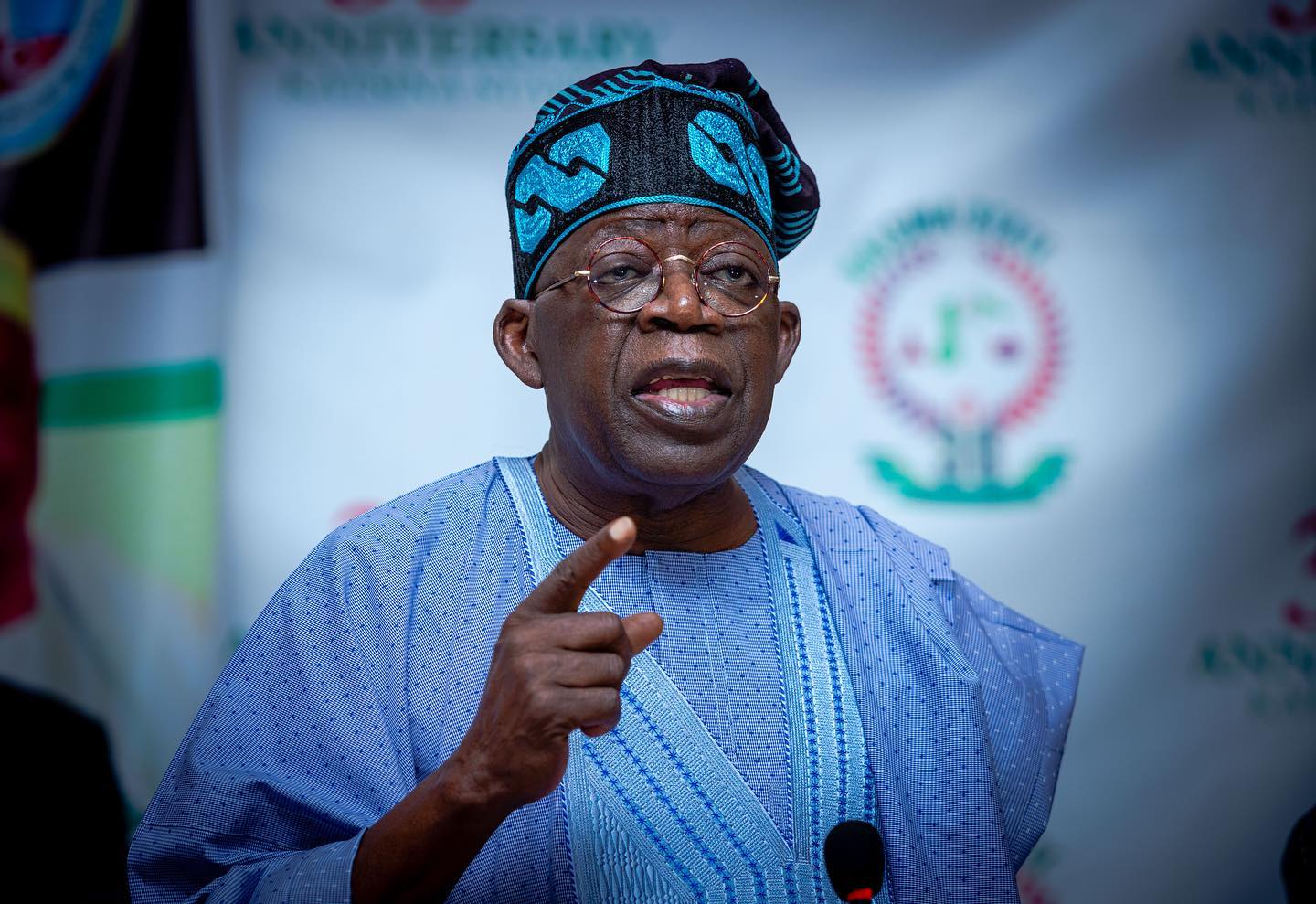
Nigeria will begin enforcing its new tax laws from January 1, President Bola Tinubu has announced, dismissing concerns raised by opposition lawmakers over alleged discrepancies in the legislation.
The reforms, according to reports, form a central pillar of Tinubu’s economic agenda, following the removal of fuel subsidies and two devaluations of the Naira within his first year in office. The president has described the tax overhaul as a “once-in-a-generation” fiscal reset aimed at stabilising the economy and boosting revenue.
However, the rollout has generated controversy in parliament. Opposition legislators claim the final version of the laws contains provisions that were not approved by lawmakers, raising concerns about possible constitutional violations.
They argue that the changes grant tax authorities extensive powers, including the ability to seize assets without court approval and require taxpayers to make upfront payments before disputes can be challenged.
President Tinubu has rejected the claims, insisting there are no substantive issues warranting a delay. He has urged businesses and citizens to support the implementation, stressing that the reforms have moved firmly into the delivery phase.
The president also assured that due process would be respected, adding that his administration remains open to engaging parliament to address outstanding concerns as implementation begins.