





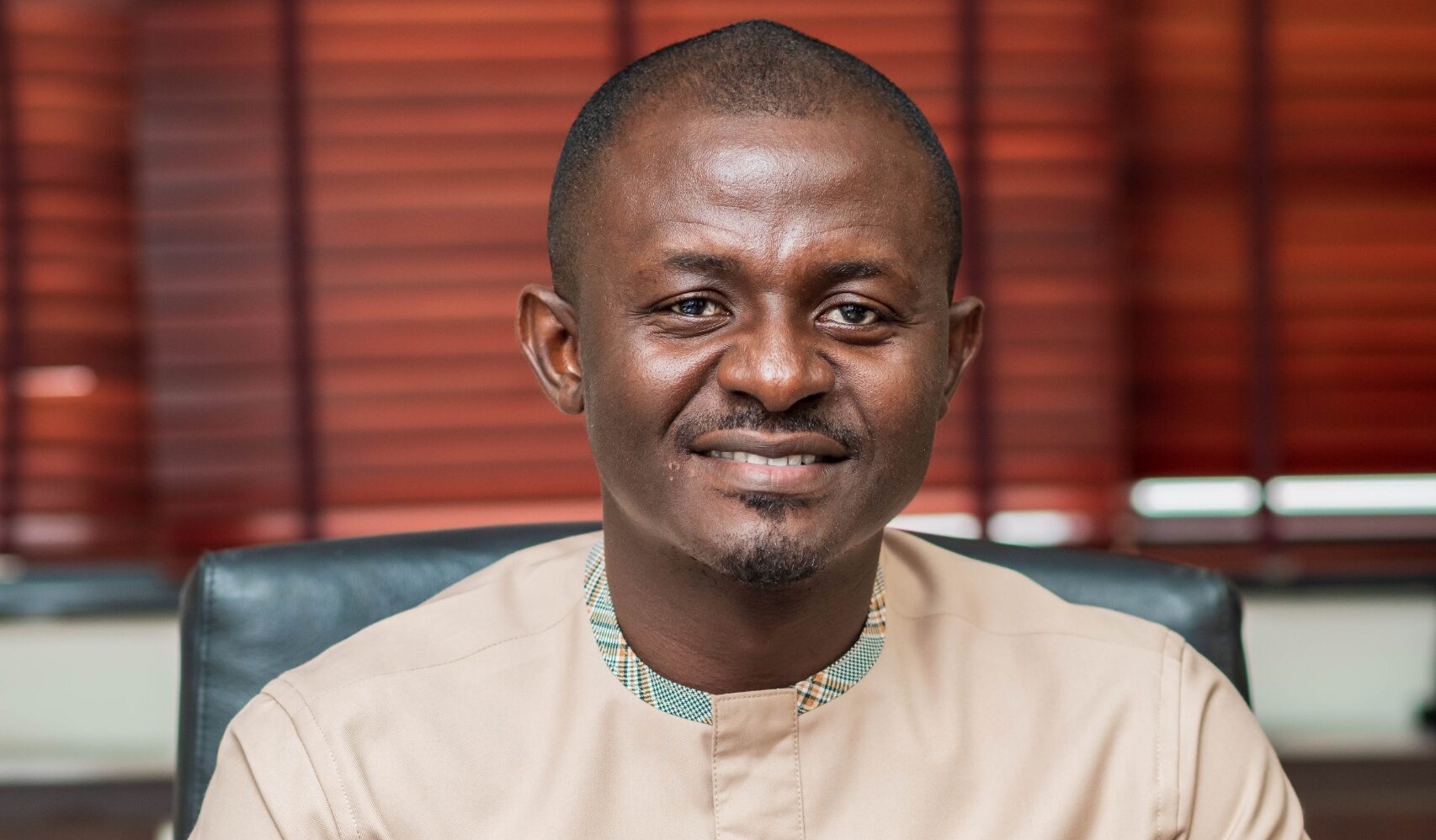
Member of Parliament (MP) for Charles Asiedu, representing the Tano South Constituency, has called for urgent measures to revitalise the Ghana Cylinder Manufacturing Company, describing the company as critical to Ghana’s clean energy transition and economic development.
Delivering a statement on the floor of Parliament of Ghana, Mr. Asiedu stressed that the state-owned company plays a central role in promoting the use of Liquefied Petroleum Gas by producing and distributing safe and affordable cylinders and related accessories for both domestic consumption and export.
According to the MP, expanding access to LPG remains an important component of Ghana’s strategy to protect the environment, improve energy efficiency and mitigate climate change.
“Promoting the use of LPG is a key component of Ghana’s strategy for environmental protection, sustainable energy use and climate change mitigation. The adoption of LPG technologies has significantly improved the quality of life of Ghanaians by reducing indoor air pollution and the high incidence of respiratory diseases associated with traditional fuels,” he said.
Mr. Asiedu noted that LPG consumption in Ghana has witnessed remarkable growth over the years, rising from 100,000 metric tonnes in 2009 to about 400,000 metric tonnes in 2016. He attributed the increase partly to the introduction of the cylinder recirculation model, which has made LPG more accessible and safer for households.
He added that government initiatives such as the National LPG Promotion Policy have also contributed to increasing LPG penetration in the country from about 25 percent in 2016 to over 50 percent in 2020.
Beyond domestic use, the Tano South legislator highlighted the sector’s contribution to employment, noting that the LPG industry currently provides over 20,000 direct and indirect jobs across the country.
However, he cautioned that the rapid growth of the industry has also exposed gaps in infrastructure and regulation, which must be addressed to ensure the safety and sustainability of LPG distribution in Ghana.
Despite these challenges, Mr. Asiedu expressed optimism about the future of the sector, pointing to government efforts to promote LPG as a cleaner alternative to biomass fuels such as firewood and charcoal.
“The future of the LPG industry in Ghana looks promising. Government’s commitment to expanding access to clean energy and promoting LPG as an alternative to traditional biomass fuels will continue to drive growth in the sector,” he stated.
To support the revival of the Ghana Cylinder Manufacturing Company, the MP proposed a comprehensive recovery strategy that includes capital injection, technological upgrades and strategic partnerships.
“The state must inject targeted capital to upgrade the company’s production lines, introduce modern fabrication technologies and improve quality control processes,” he urged.
Mr. Asiedu also called for joint ventures with private investors and LPG marketing companies to expand the firm’s market reach, while encouraging government institutions to prioritise sourcing LPG cylinders and accessories from the company.
He further suggested leveraging opportunities under the African Continental Free Trade Area to export Ghana-made cylinders to neighbouring markets where demand for clean cooking solutions continues to grow.
The Tano South MP stressed the need for continuous public education on the health, economic and environmental benefits of LPG usage to sustain demand for locally manufactured cylinders.
“A stronger demand will sustain the operations of the company and strengthen Ghana’s clean energy agenda,” he noted.
Mr. Asiedu concluded that revitalising the Ghana Cylinder Manufacturing Company goes beyond rescuing a struggling state enterprise and forms part of Ghana’s broader transition toward cleaner energy.
“The goal to revitalise the Ghana Cylinder Manufacturing Company is not only about rescuing a company in distress. It is about strengthening Ghana’s transition to clean energy, reducing our carbon footprint and improving the quality of life for our people,” he emphasised.