




• Latest
  • Trending
Koose, is food for the gods in Brazil

Koose is food for the gods in Brazil

September 4, 2020
Ofankor–Nsawam road construction: Nsawam-bound lane to be temporarily closed on December 6

Ofankor–Nsawam road construction: Nsawam-bound lane to be temporarily closed on December 6

December 5, 2025
Feed Ghana, Eat Ghana: Ghana celebrates 41st Farmers’ Day across the country

Feed Ghana, Eat Ghana: Ghana celebrates 41st Farmers’ Day across the country

December 5, 2025
Parliament to Summon Special Prosecutor Over Detention of Lawyer Martin Kpebu

Parliament to summon Special Prosecutor over detention of Lawyer Martin Kpebu

December 5, 2025
Dr. Bawumia surges to 75% as Kennedy Agyapong’s support crashes — New Global InfoAnalytics Poll

Dr. Bawumia surges to 75% as Kennedy Agyapong’s support crashes — New Global InfoAnalytics Poll

December 5, 2025
NDC race tightens: Ato Forson rises to 28% as Asiedu Nketia slips to third – Global InfoAnalytics

NDC race tightens: Ato Forson rises to 28% as Asiedu Nketia slips to third – Global InfoAnalytics

December 5, 2025
‘My claims were baseless’ — Mama Pat issues unqualified apology to Empress Gifty

‘My claims were baseless’ — Mama Pat issues unqualified apology to Empress Gifty

December 5, 2025
Ghana Beverage Awards opens nominations for landmark 10th Edition

Ghana Beverage Awards opens nominations for landmark 10th Edition

December 4, 2025
Ghana Beverage Awards Launches 10th Anniversary Celebration with a 'Toast to Ten'

Ghana Beverage Awards Launches 10th Anniversary Celebration with a ‘Toast to Ten’

December 4, 2025
KIC School Farm Competition Schools Shine as Top Contenders in 2025 National Farmers Day Awards

KIC School Farm Competition Schools Shine as Top Contenders in 2025 National Farmers Day Awards

December 4, 2025
Meeting the Moment: Premium Accra Development Taps into Diaspora Demand for "Home"

Meeting the Moment: Premium Accra Development Taps into Diaspora Demand for “Home”

December 4, 2025
“When students do well they are praised, but when they don’t the Govt is blamed” — Haruna Iddrisu reacts to 2025 WASSCE results

“When students do well they are praised, but when they don’t the Govt is blamed” — Haruna Iddrisu reacts to 2025 WASSCE results

December 4, 2025
Greater Accra Regional minister launches ‘Operation Free Traffic’, warns MMDCEs of sanctions

Greater Accra Regional minister launches ‘Operation Free Traffic’, warns MMDCEs of sanctions

December 4, 2025
Happy Ghana
No Result
View All Result
  • Home
  • News
  • Sports
    • International Sports
    • Afcon2017
    • Afcon2019
    • Corporate Knockout
    • U17 World Cup
    • World Cup 2018
  • Entertainment
  • Business
  • Bizarre
  • Feature
  • More
    • Technology
    • Opinion
    • Lifestyle
  • Listen Live
  • Home
  • News
  • Sports
    • International Sports
    • Afcon2017
    • Afcon2019
    • Corporate Knockout
    • U17 World Cup
    • World Cup 2018
  • Entertainment
  • Business
  • Bizarre
  • Feature
  • More
    • Technology
    • Opinion
    • Lifestyle
  • Listen Live
No Result
View All Result
Happy Ghana
No Result
View All Result
Home Bizarre

Koose is food for the gods in Brazil

in Bizarre
Koose, is food for the gods in Brazil

Koose, is food for the gods in Brazil

Share on FacebookShare on TwitterShare on Whatsapp

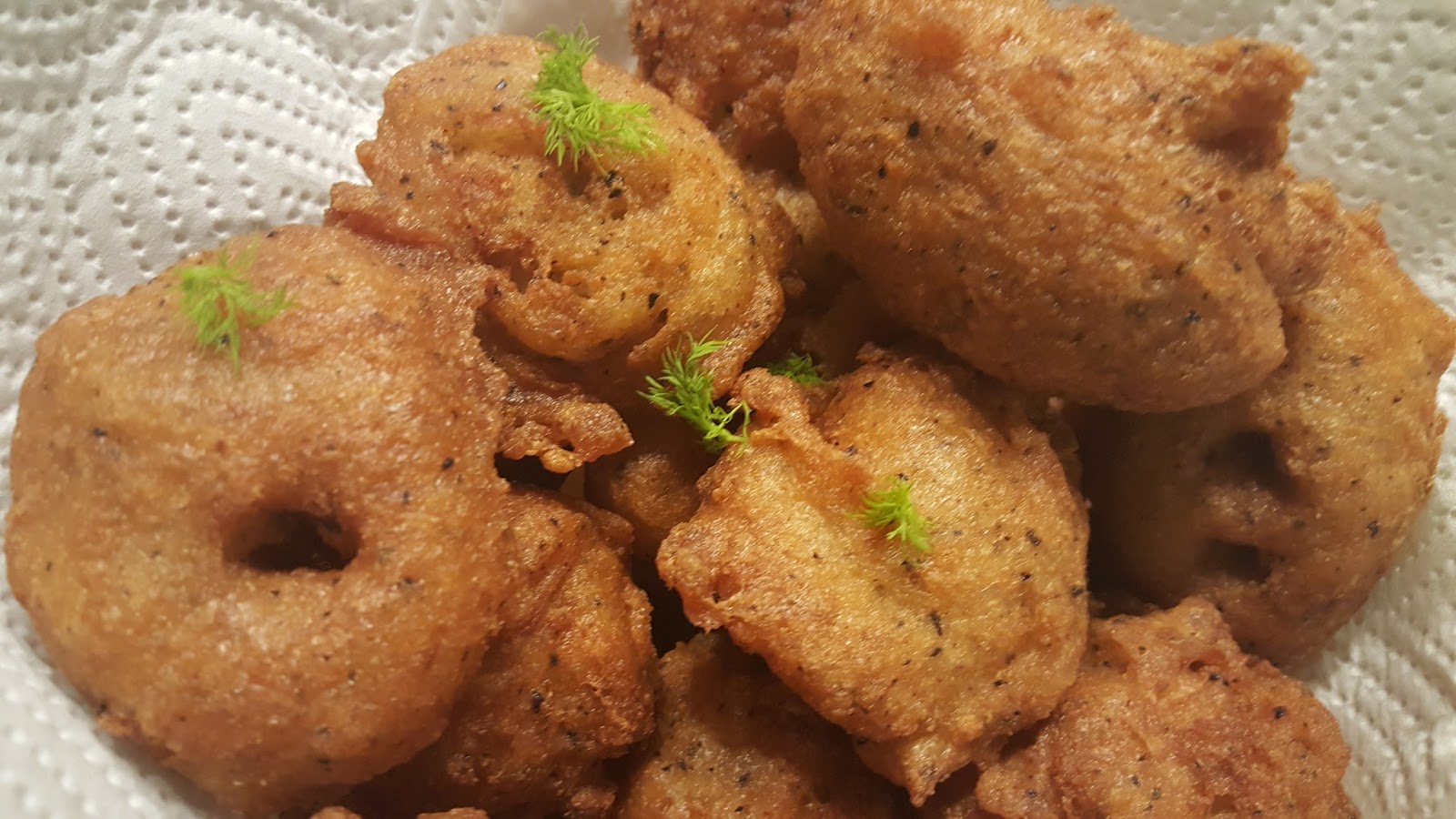
It will stun many that the bean cake called akara among the Yoruba, kosai in Hausa, acarajé in Brazil and kose in Ghana is not just a street food, but also serves a religious function or better put serves as food for the gods.

It is popular with the Yoruba people of south-western Nigeria and Sierra Leoneans. In Ghana, it is a popular breakfast dish, eaten with millet or corn pudding while in Nigeria it is eaten with bread, ogi or eko, a type of cornmeal made with fine corn flour.

The dish, made from peeled beans formed into a ball and then deep-fried in palm oil or vegetable oil, is found in West African and Brazilian cuisines. It was sent to the Americas, especially Brazil’s northeastern state of Bahia by the West Africa enslaved from Nigeria, Ghana, Togo, Benin, Mali, Gambia and Sierra Leone.

Although the basic ingredients are the same, there are variations to suit specific taste. Acarajé is made with cooked and mashed black eyed peas seasoned with salt and chopped onions molded into the shape of a large scone and deep-fried in palm oil in a wok-like pan in front of the customers stuffed with spicy pastes made from shrimp, ground cashews, palm oil and other ingredients.

In the Yoruba culture, akara plays a significant role when a person assumes the age of 70 or dies. It is fried in large quantity and distributed across every household close to the deceased. Back in the day, the cake was also prepared in large numbers as a sign of victory when warriors returned victorious from war. Wives of the warriors fried it and distribute to fellow villagers as gratitude for the safe return of their husbands.

In Sierra Leone, akara aside being a street snack, is usually prepared upon the birth of a child, a wedding, funeral or party.

Acarajé via Wikimedia Commons

Acarajé is also sold on Brazil’s streets but here it is variously made with fried beef, mutton, dried shrimp, pigweed, fufu osun sauce and coconut. Distinct sellers wear all-white cotton dresses and headscarves and caps. The bean cake is reported to have made its way to Bahia in the 19th century.

Earnings from its sale was used to sometimes buy the freedom of enslaved family members until the abolition of slavery in Brazil in 1888 while serving as a source of family income. It also has a notable presence in Sergipe and the markets of Rio de Janeiro.

Acarajé serves as both a religious offering to the gods in the Candomblé religion and as street food.

As an essential ritual food used in Afro-Brazilian religious traditions such as Candomblé, it is offered to the orixá Exu. They vary in size based on their offering to a specific deity: large, round acarajé are offered to Xangô; smaller ones in form are offered to Iansã. Small, fritter-size acarajé are offered to Erês, or child spirits. Acarajé is used in Candomblé rituals in the states of Bahia, Rio de Janeiro, Pernambuco, Alagoas, Sergipe and Maranhão.

Acarajé was listed as a federal immaterial asset (patrimônio nacional imaterial), by the National Institute of Historic and Artistic Heritage in 2004; the role of baianas in the preparation and sale of acarajé was recognized in the same act.


Subscribe to receive notification everytime a new post is published. We promise to be discrete.

Unsubscribe
Previous Post

Today In Sports History: Nigeria defeats Ghana to win FIFA U17 WC title

Next Post

David Obeng Nyarko appointed Asante Kotoko head of marketing

Next Post
David Obeng Nyarko appointed Asante Kotoko head of marketing

David Obeng Nyarko appointed Asante Kotoko head of marketing

Search

No Result
View All Result

Listen Live

Happy Kaseɛbɔ 600AM news bulletin

BBC Match of the Day Africa

Happy Ghana

Recent News

  • Ofankor–Nsawam road construction: Nsawam-bound lane to be temporarily closed on December 6
  • Feed Ghana, Eat Ghana: Ghana celebrates 41st Farmers’ Day across the country
  • Parliament to summon Special Prosecutor over detention of Lawyer Martin Kpebu
  • About
  • advertise
  • Privacy Policy
  • Contact Us

© 2025 Happy FM – Powered by Ghana’s leading radio network. Designed with passion by Global Media Alliance.

No Result
View All Result
  • Home
  • News
  • Sports
    • International Sports
    • Afcon2017
    • Afcon2019
    • Corporate Knockout
    • U17 World Cup
    • World Cup 2018
  • Entertainment
  • Business
  • Bizarre
  • Feature
  • More
    • Technology
    • Opinion
    • Lifestyle
  • Listen Live

© 2025 Happy FM – Powered by Ghana’s leading radio network. Designed with passion by Global Media Alliance.