



Mensah Sarbah Hall JCR, in partnership with Vision to Venture and One Whole Future Foundation, empowered students of the University of Ghana with practical entrepreneurship skills on Wednesday during Day Four of ASCENOVA ’26, as part of efforts to prepare young people for life beyond the classroom.
The entrepreneurship skills training formed part of the launch of the Skill to Income Movement (SIM), an initiative designed to encourage students to acquire practical, income-generating skills alongside their academic education.
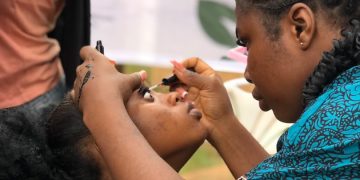
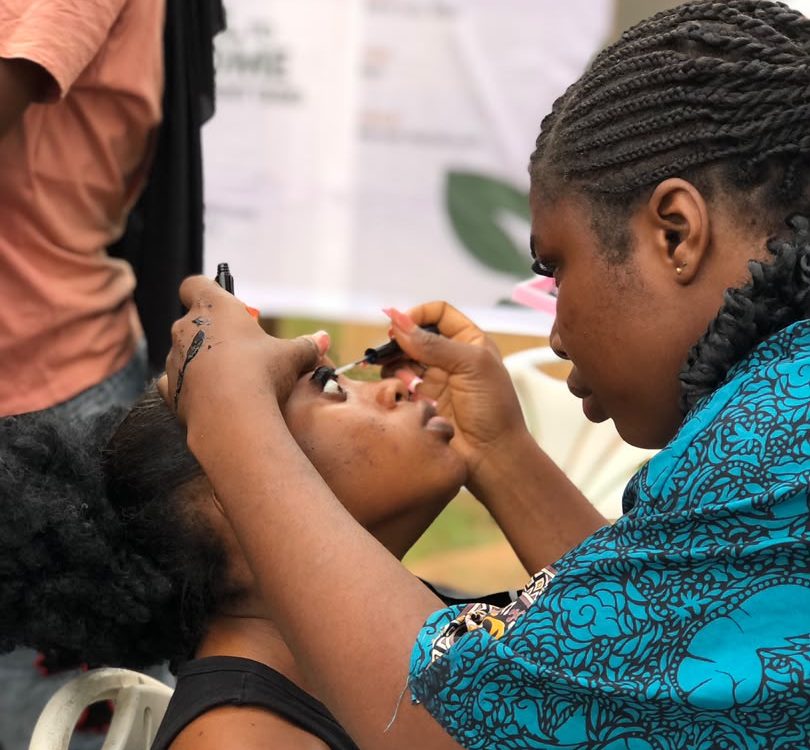
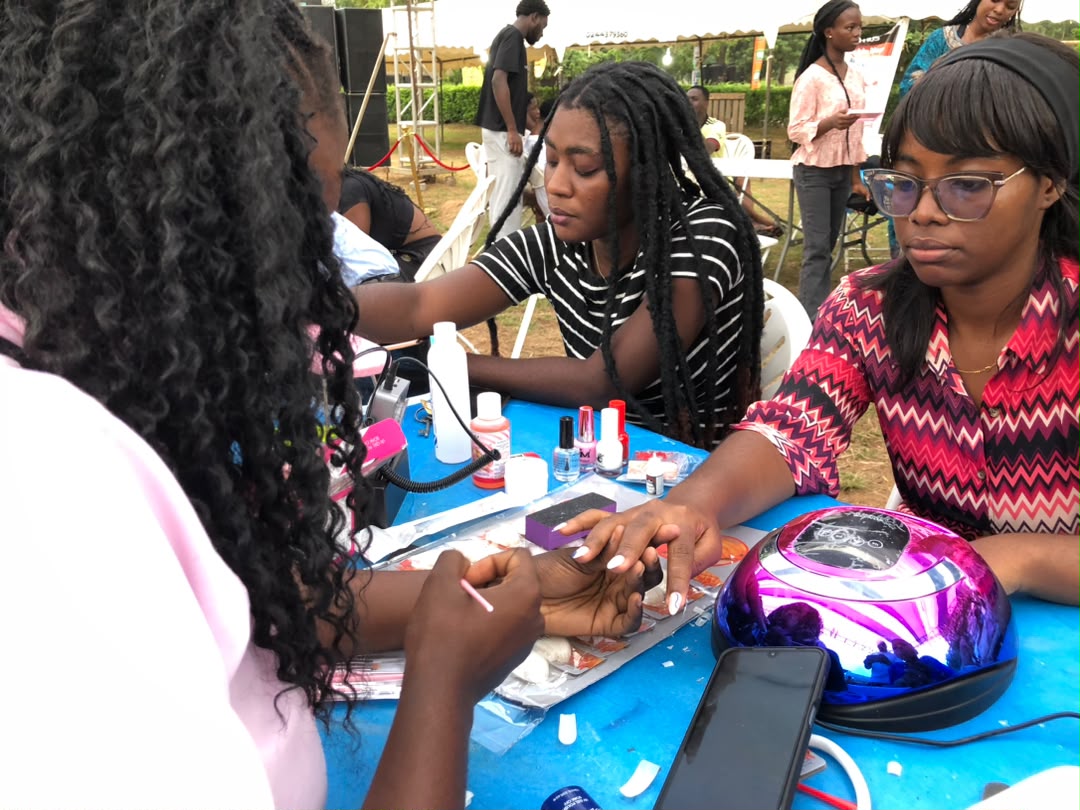
Participants received hands-on training in nail technology, bead making, eyelash installation, liquid soap production and cryptocurrency, exposing them to entrepreneurial opportunities that can help them become financially independent while still in school and after graduation.
Opening the session, representatives of the organisers encouraged students to embrace entrepreneurship as a practical solution to today’s changing job market.
Speaking on behalf of One WholeFutureFoundation, Lady Aba described entrepreneurship as a pathway to creating opportunities and achieving financial independence.
“Entrepreneurship is about creating opportunities and financial independence,” she said.
Founder of Vision to Venture, Eugene Ofori-Atta, explained that the Skill to Income Movement seeks to shift students’ mindset from depending solely on employment after graduation to building practical skills capable of generating income.
According to the organisers, the initiative encourages students to combine academic knowledge with vocational skills, enabling them to create value for themselves, become self-reliant and reduce the uncertainty associated with searching for jobs after school.
The event also featured motivational sessions that encouraged participants to remain resilient despite life’s challenges and to view setbacks as opportunities for growth rather than reasons to give up.
The Skill to Income Movement reflects the shared commitment of Mensah Sarbah Hall JCR, Vision to Venture and One Whole Future Foundation to bridge the gap between education and employment by equipping students with practical skills that can be transformed into sustainable sources of income.
Beyond the practical training, the initiative sought to inspire students to think entrepreneurially, create opportunities for themselves and contribute meaningfully to national development through innovation, creativity and self-employment.