



Telecel Ghana’s Human Resources Director, Rachael Appenteng, has advised businesses to embed diversity and inclusion practices as core components of their workplace culture to encourage innovation, increase engagement and drive long-term success.
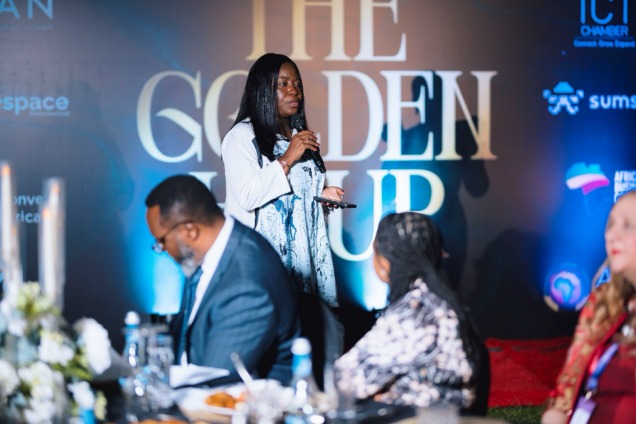
Speaking on a panel at the EmpowAbility Seminar 2.0 in Accra on the theme, Celebrating the Ghanaian Worker: Inclusion, Dignity and Opportunity for All, Mrs. Appenteng advised organisations to move away from the approach of diversity and inclusion as a performative strategy.
“Our diversity and inclusion strategy at Telecel is intentionally embedded in how we operate, not something we bring out for occasions. From having a SuperCare team of Deaf and sign-language trained customer service agents to building a talent pipeline of women in STEM, we are fundamentally closing the existing gaps in the industry,” Ms. Appenteng said.
Organised by the No Limit Foundation and the Centre for Employment of Persons with Disabilities (CEPD), the seminar convened persons with disabilities, disability advocates, corporate leaders, academics and policymakers to examine what genuine workplace inclusion looks like in Ghana today.
Highlighting the success of Telecel’s SuperCare initiative, Ms. Appenteng described it as an embedded organisational responsibility to ensure the needs of customers with disabilities are catered. “We launched SuperCare in 2017 specifically to address the gap that Deaf customers faced in accessing telecommunications services. For nine years now, we have provided sign-language-trained agents, video-call customer support, and tailored connectivity packages that are designed around the actual usage patterns and economic realities of the disability community.”
Moderated by disability advocate and veteran broadcaster, Mrs. Mary-Ann Eyram Basham, the seminar featured two panel discussions, a keynote address, and solidarity messages from across industry, making it one of the substantive gatherings on disability and employment in recent years.
Other speakers on the panel included Prof. Augustina Naami, a professor of disability and social work at the University of Ghana, Alexander Tetteh, Founder and Executive Director of CEPD and Chamber of Persons with Disabilities, Comfort Ocran of the Springboard Roadshow Foundation, Dr. Patrick Ofori, CEO of the Chamber of Bulk Oil Distributors, and Executive Secretary of Goldfields Ghana Foundation, Abdel-Razak Yakubu.
Ms. Appenteng revealed that the telecom operator has commissioned a formal assessment to identify gaps and improve its environment for people with disabilities, signalling an evidence-based approach to continuous improvement of workplace culture. “Every employee goes through mandatory training that is designed to build genuine awareness, challenge unconscious bias, and reinforce inclusive behaviours in day-to-day interactions,” she said.
Speaking on a separate panel, Victoria Aidoo of Telecel’s Digital Transformation team highlighted the impact of Telecel’s digital tools for people with disabilities navigating affordability and accessibility barriers.
“The Telecel Play App has assistive technology that helps people with disabilities to access content and services through a smartphone interface and our SuperCare quick code service (*494#) ensures that those without smartphones are not left out. Accessibility cannot only be for those who can afford the latest device.”
Delivering the keynote address, Mr. Yakubu said that inclusive employment can no longer be framed as an act of charity, noting that many people with disabilities possess strong academic credentials, professional skills and creative capacity, yet continue to face workplace discrimination and exclusionary hiring practices. At the end of the seminar, Telecel Ghana was recognised for being one of the leading organisations that is transforming workplace inclusion from policy language into lived practice.