




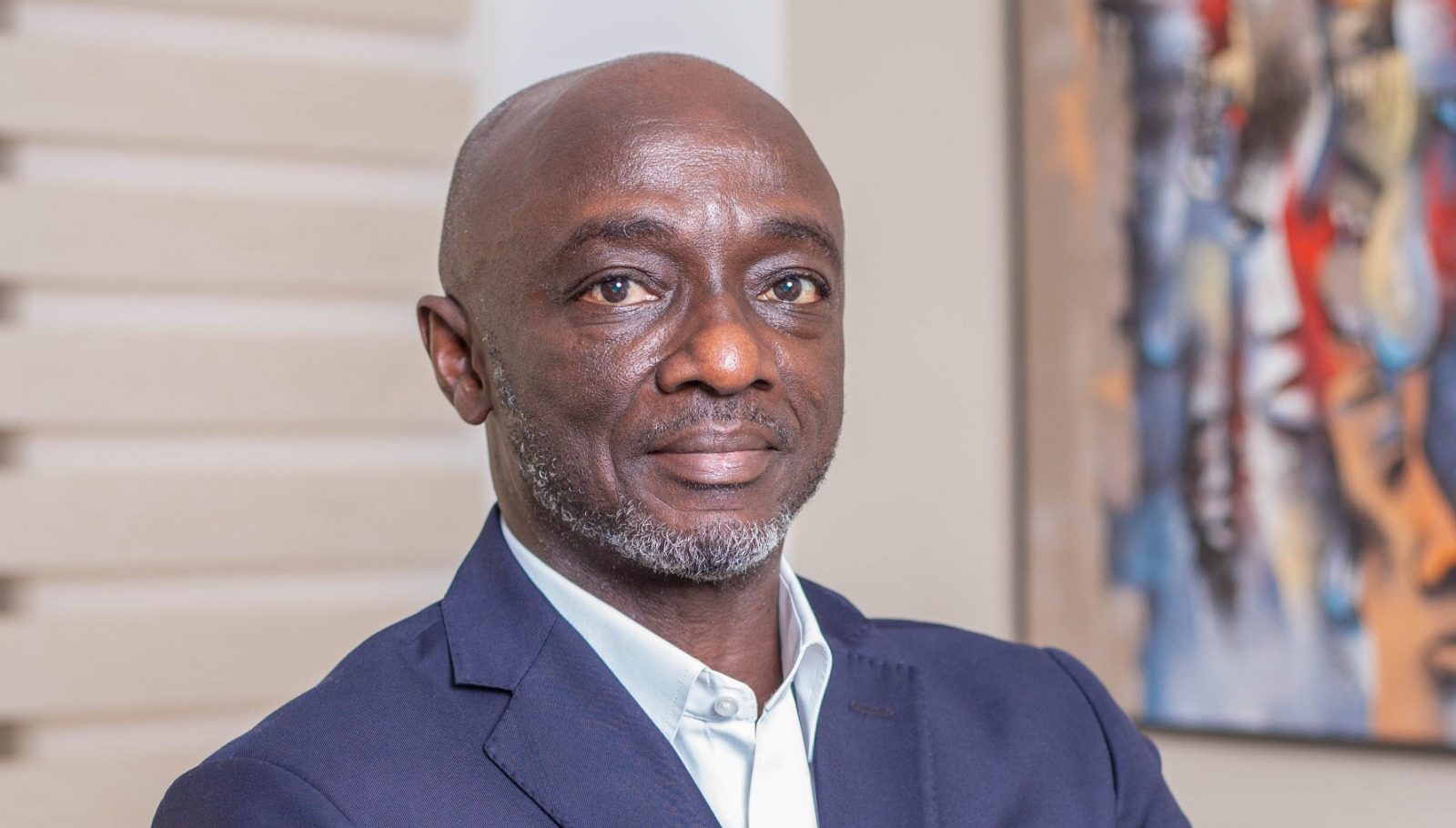
Drawing on my experience as Head of Administration and Logistics for the NPP’s 2016 Campaign, my participation in the party’s campaigns from 2000 to 2024, and my experience observing and participating in elections in other countries, I have seen firsthand what it takes to build the organisational machinery required to win elections.
This weekend, the NPP moves into the third leg of its electoral cycle to elect its Regional Officers—the commanders who, working under the strategic direction of the Flagbearer and the National Executive Committee, will be responsible for building the regional machinery that will take us into the 2028 general elections.
This is therefore not an ordinary internal election. It is a critical decision about the people who will lead the battle for 2028.
If delegates are genuinely committed to returning the NPP to power, then competence, experience, integrity, strategic ability and proven electoral capacity—not merely familiarity, loyalty, factional affiliation or novelty—must guide their choices.
We must be honest about our recent electoral performance. The results of 2020 and, particularly, 2024 raise legitimate questions about the effectiveness of some of our regional leadership. Where leaders have had the opportunity to deliver and have consistently fallen short, there must be the courage to make way for others.
But let us also be clear: being new does not automatically make someone better.
Those seeking to replace existing leadership must convince delegates that they have what it takes to organise, mobilise, persuade and win. We should not replace one ineffective team with another simply because they offer different faces.
What should delegates look for?
1. Electoral competence
Candidates must understand how elections are actually won—from the polling station to the constituency and regional level. They must have a track record, knowledge or demonstrable capacity to organise people and convert strategy into votes.
2. Strategic thinking
The 2028 election cannot be fought using the methods of 2016 or 2020. Regional leaders must understand changing voter behaviour, demographics, technology, communication and the issues driving voters. They must have a clear strategy for winning and retaining votes.
3. Grassroots organisation
Strong regional leadership begins at the polling station. Candidates must be capable of building relationships with constituency executives, polling-station officers, activists, community leaders, young people and ordinary voters.
4. Leadership and unity
The NPP cannot afford regional executives who deepen factional divisions. We need leaders who can bring people together, manage disagreements, build effective teams and put the party’s interests above personal or factional interests.
5. Integrity and credibility
A regional officer must be respected not only within the party but also by the wider community. Credibility matters because our leaders will be among the principal faces of the NPP in their regions.
6. Communication and voter engagement
The party must listen before it speaks. Regional leaders must understand the concerns of ordinary Ghanaians and be able to communicate the NPP’s message in a manner that is relevant, convincing and relatable.
7. Accountability and results
Leadership must come with responsibility. Candidates should be prepared to set measurable objectives, monitor performance and accept responsibility for results.
8. A genuine commitment to rebuilding the party
Regional officers must be prepared to start working immediately after their election—not wait until the next campaign season. The work of 2028 begins now.
The choice before delegates
The choice is therefore not simply between old and new. It is between leaders who have the capacity to deliver and those who do not.
Nor should delegates choose simply because a candidate is someone they know, a friend, a relative, a factional ally or someone who is prepared to provide immediate financial or material benefits.
The money may help today, but the consequences of a poor leadership choice will last for four years.
Delegates must ask themselves a simple question:
Who among these candidates gives the NPP the best chance of winning in 2028?
Dislodging the NDC from power in 2028 will not be easy. It will require a disciplined, united, credible and strategically focused organisation that is deeply connected to the electorate.
The election will not be won by entitlement, noise, social-media activity or factional loyalty. It will be won through organisation, persuasion, credible messaging, disciplined execution, resources wisely deployed, and sustained engagement with voters.
The Regional Officers are therefore not merely party administrators. They are the commanders who will build and lead the machinery for the 2028 campaign.
Delegates must choose accordingly.
Do not vote only for the person you know. Do not vote only for the person who is prepared to pay. Vote for the person you believe has the competence, character, strategy and commitment to help the NPP win.
The future of the party cannot be determined by the immediate benefit of an individual delegate. We must think beyond ourselves and choose for the NPP—and for Ghana.
Let us elect a team of Regional Officers capable of working with the Flagbearer, the National Executive Committee and the grassroots to rebuild trust, strengthen our organisation and create the winning machinery required to return the NPP to power in 2028.
We do not need commanders who merely want the title. We need commanders who know what it takes to win—and are prepared to do the work.
The writer, Amb. Edward Boateng, served as Head of Administration and Logistics for Nana Addo Akufo-Addo’s 2016 presidential campaign. He also participated in President John Agyekum Kufuor’s campaigns in 2000 and 2004 and the NPP campaigns of 2008 and 2012, and has experience observing and participating in electoral campaigns in other countries.