




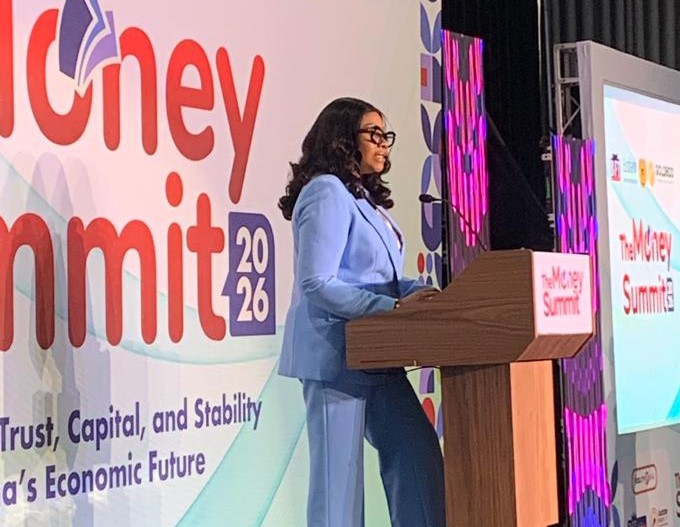
The Second Deputy Governor of the Bank of Ghana (BoG), Mrs. Matilda Asante-Asiedu, has called for sustained vigilance and prudent economic management to preserve Ghana’s recent macroeconomic gains, warning that stability achieved today must not be taken for granted.
Giving a keynote address at The Money Summit 2026, held under the theme “Building Trust, Capital, and Stability for Ghana’s Economic Future” at The Palms by Eagles in Accra on Tuesday, June 2, Mrs. Asante-Asiedu described the gathering of leaders from banking, finance, agriculture and government as a meeting of the custodians of Ghana’s economic present and future.
She said the central question confronting policymakers, businesses and investors is whether Ghana’s economy is stable and capable of maintaining that stability amid ongoing global and domestic challenges.
Mrs. Asante-Asiedu noted that through discipline and sacrifice, Ghana has made significant progress in restoring macroeconomic stability over the past two years.
However, she stressed that securing stability is different from sustaining it, particularly at a time when geopolitical tensions, rising energy costs and other external shocks continue to pose risks to economies around the world.
She revealed that rising energy costs have placed additional pressure on the economy, citing increases beyond budgeted levels for foreign exchange reserves allocated to support the sector.
Despite these challenges, she said economic activities must continue, making it imperative for policymakers and stakeholders to remain proactive.
The Deputy Governor explained that the summit’s focus on trust, capital and stability reflects the interconnected nature of economic development.
She said confidence in institutions is necessary to withstand economic shocks, while businesses of all sizes require access to capital to expand and create jobs.
Highlighting recent economic indicators, Mrs. Asante-Asiedu said inflation has declined significantly from 23.8 percent at the end of 2024 to 3.4 percent as of April 2026.
She added that food inflation, which directly affects household welfare, has dropped from 28 percent to about 2 percent during the same period.
She stated that the improved inflation outlook has created room for monetary easing, resulting in a reduction of the monetary policy rate from 27 percent to 14 percent.
Mrs. Asante-Asiedu also pointed to a sharp decline in government borrowing costs, noting that the benchmark 91-day Treasury bill rate has fallen from 28 percent to below 5 percent. Average lending rates offered by banks have also decreased from around 30 percent to approximately 16 percent.
She said the lower lending rates are expected to ease the burden on businesses, enabling them to access credit under more favourable conditions and support expansion.
On the external front, she disclosed that Ghana’s gross international reserves have increased from approximately US$9 billion to US$14 billion, supported by strong gold export receipts, exchange rate reforms and sound fiscal policy implementation.
Mrs. Asante-Asiedu further highlighted the country’s economic growth performance, noting that Ghana exceeded its projected GDP growth target of 5 percent by recording 6 percent growth.
She said the positive indicators demonstrate that the economy is recovering strongly and remains on a favourable trajectory, but cautioned that maintaining the gains would require continued commitment to policies that strengthen trust, improve access to capital and safeguard stability.
“The economy is doing well and continues to do well,” she stated, while urging stakeholders to remain focused on sustaining the progress achieved so far.