





The Majority Caucus in Parliament has expressed concern over the financial health of the Ghana Cocoa Board (COCOBOD), warning that the institution needs substantial working capital to sustain its operations.
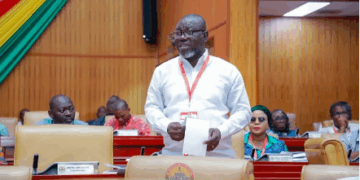
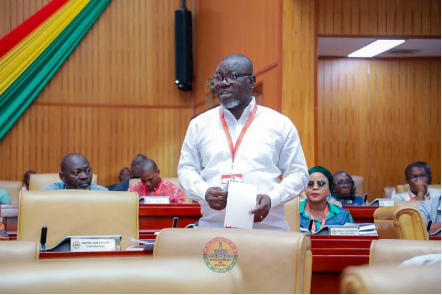
Addressing a press conference on Thursday, February 19, 2026, the Chairman of Parliament’s Finance Committee and Member of Parliament for Bolgatanga Central, Isaac Adongo, pointed to what he described as a significant funding gap in the Board’s accounts.
“COCOBOD requires over 30 billion cedis in working capital for it to survive, not the 60 billion left behind. If you look at the accounts, you realise that there is a big hole in there,” Mr. Adongo stated.
Meanwhile, COCOBOD has announced cost-cutting measures aimed at easing financial pressures, revealing that it stands to save an estimated GH¢5 million each month through salary reductions for its executive management and senior staff.
Executives are taking a 20 per cent pay cut, while senior staff will have 10 per cent deducted from their salaries.
According to the Board, the salary adjustments have already taken effect and will remain in place for the rest of the 2025/2026 crop year.
As part of broader efforts to stabilise its balance sheet, the government is also seeking parliamentary approval to restructure COCOBOD’s debt obligations.
A legacy debt of GH¢5.8 billion owed to the Bank of Ghana and the Ministry of Finance is expected to be converted into long-term instruments.
Additionally, road-related liabilities amounting to GH¢4.35 billion will be transferred from COCOBOD to the Ministry of Roads and Highways and the Ministry of Finance, in a move aimed at easing the Board’s financial burden.
The developments come at a time of mounting challenges within the cocoa sector, including rising operational costs, tight financing conditions, concerns about farmers’ welfare, and increased public scrutiny over cocoa pricing and the financial management of COCOBOD.