

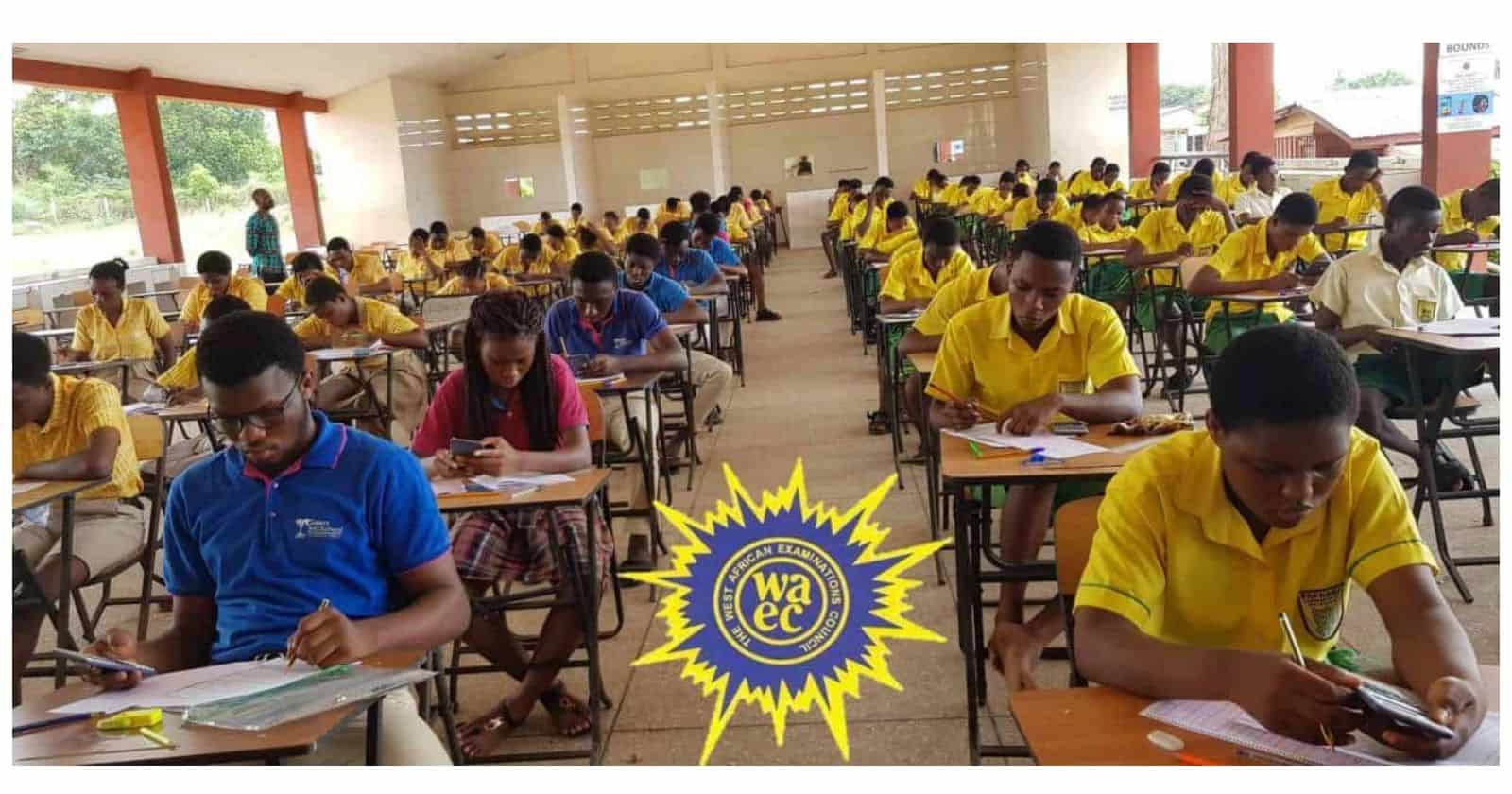
In recent months, public discourse in Ghana has been dominated by concerns over the 2025 performance of candidates in the West African Senior School Certificate Examination (WASSCE). The results, particularly in the core subjects, have triggered anxiety among parents, educators, policymakers, and civil society groups, raising critical questions about the future of learning outcomes, human capital development, and national progress.
It was against this backdrop that the Ghana Reads Initiative (GRI), in partnership with the Educational Times Newspaper, convened an education dialogue under the theme “The Uninspiring 2025 WASSCE Results and Suggestions for Rectification.” The event, held in January, 2026, at the Ghana Library Authority in Accra’s Airport Residential Area.
It brought together stakeholders from civil society, education agencies, some parents and some students to deliberate on the way forward.
Participants unanimously agreed during the discussions that the 2025 WASSCE results must not be interpreted through a narrow lens of failure. Rather, they represent deeper, long-standing systemic challenges that have developed over time. The dialogue highlighted that the disappointing outcomes are symptoms of broader structural, instructional, behavioural, and assessment-related gaps that call for comprehensive and coordinated national reforms. Instead of engaging in blame games, stakeholders embraced an evidence-based, pragmatic, and solution-driven approach to addressing the issues.
They believed that identifying root causes and proposing practical interventions is capable of reversing the declining trends.
Some of the key challenges identified were concerns about weak foundational learning. Persistent literacy and numeracy deficits at the basic education level, which continues to undermine students’ readiness at the secondary stage.
Overcrowded classrooms, uneven distribution of learning resources, and disparities between urban and rural schools further compound the challenge.
Participants further observed a noticeable decline in students’ study habits and discipline. They noted that the excessive and largely unregulated use of mobile phones and social media, rising absenteeism, and the weak enforcement of school rules have collectively undermined academic focus and commitment.
Teacher-related constraints were equally highlighted. Delayed payment of intervention allowances, limited opportunities for continuous professional development, and reliance on underqualified or temporary teachers—particularly in deprived and peri-urban areas—have affected instructional quality.
Concerns were also raised about possible misalignment between curriculum delivery and assessment standards. While some students demonstrate partial subject competence, rigid certification thresholds often result in overall failure, raising questions about flexibility in learner progression.
Additionally, examination malpractice remains a troubling issue. Collusion between certain schools, candidates, and even parents threatens the credibility of assessment outcomes and undermines public trust in the system.
Another critical gap identified was the limited institutional use of post-examination data. Although the West African Examinations Council (WAEC) produces detailed Chief Examiners’ Reports, systematic diagnostic reviews and targeted remediation strategies remain insufficiently institutionalised.
Stakeholders proposed a series of priority reforms aimed at restoring confidence in Ghana’s education system:
1. Learning Recovery and Diagnostic Reform
A structured post-WASSCE national diagnostic review involving WAEC and other relevant education bodies should be institutionalised. Targeted remedial programmes in Mathematics, English Language, and Integrated Science must be deployed, particularly in rural and low-performing schools.
2. Teacher Motivation and Professional Development
Government is urged to settle outstanding teacher arrears linked to academic interventions and invigilation. Retraining and redeployment strategies should focus on persistently underperforming schools, while instructional supervision must prioritize mastery-based learning over rote memorisation.
3. Discipline and School Climate
Stronger enforcement of mobile phone restrictions in schools, structured behavioural change programmes for students, and renewed parental responsibility in supervising learning at home are necessary steps toward rebuilding academic discipline.
4. Assessment and Learner Progression Reform
Participants recommended reviewing rigid certification thresholds and exploring flexible re-sit options to prevent total academic exclusion due to isolated subject failures. Alignment between curriculum objectives and assessment methods must also be strengthened to reflect diverse learner abilities.
5. Governance and Integrity
Tougher sanctions against examination malpractice, enhanced community accountability, and active mobilisation of Parent-Teacher Associations as genuine learning partners were emphasised as crucial to safeguarding assessment integrity.
Participants maintained that collective engagement remains essential. they concluded that, the 2025 WASSCE results should be viewed not as a verdict on student intelligence but as a national learning alarm demanding urgent, coordinated action.
The Ghana Reads Initiative and Educational Times reaffirmed their commitment to supporting evidence-based reforms, advocacy, and sustained public engagement to strengthen literacy, improve assessment systems, and restore confidence in Ghana’s educational future.
Ultimately, the conversation must shift from lamentation to leadership. The challenge before Ghana is not insurmountable—but it requires decisive policy direction, shared accountability, and a renewed commitment to quality education for every learner.