



The Government has established five specialised committees to coordinate Ghana’s national response to the devastating floods that affected parts of Greater Accra and other regions following the heavy rains of June 28 and 29.
The committees form part of a comprehensive National Post-Flood Mitigation Task Force set up on the directive of President John Dramani Mahama after he conducted an aerial assessment of the flood-hit communities to evaluate the extent of the destruction and guide the country’s recovery efforts.
The five committees are the Post-Flood Mitigation Committee (formerly the Anti-Flood Task Force), the Early Warning Committee, the Sanitation and Health Committee, the Relief and Donations Committee, and the Emergency Communications Committee.
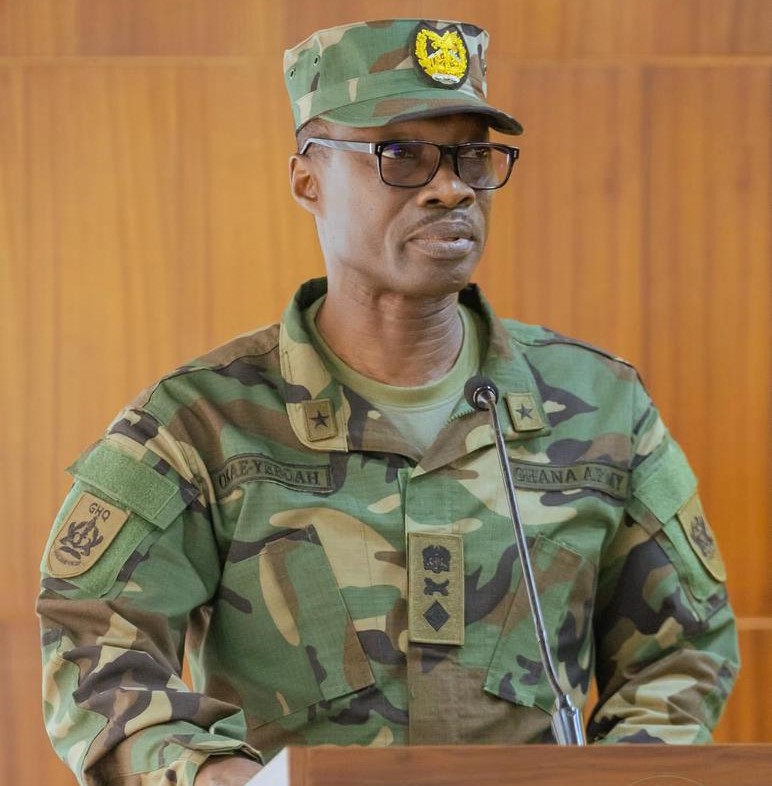
Addressing the media at the Presidency, the Director General of Joint Operations of the Ghana Armed Forces, Brigadier General Forster Okae-Yeboah, said the committee structure is intended to ensure a coordinated national response involving government agencies, the security services, Metropolitan, Municipal and District Assemblies (MMDAs), development partners and other stakeholders. He explained that the framework is designed not only to accelerate recovery from the recent floods but also to strengthen Ghana’s preparedness for future flooding events.
Each committee has a distinct mandate. The Post-Flood Mitigation Committee will oversee recovery operations and long-term flood prevention measures. The Early Warning Committee will work to improve forecasting and public alert systems ahead of severe weather events, while the Sanitation and Health Committee will coordinate efforts to reduce the risk of disease outbreaks, including cholera and typhoid, in affected communities.
The Relief and Donations Committee will manage the coordination and distribution of humanitarian assistance to flood victims, while the Emergency Communications Committee has been tasked with providing regular public updates and ensuring Ghanaians receive timely and accurate information on ongoing recovery activities.
The committee structure forms part of a broader national flood resilience strategy aimed at improving drainage infrastructure, strengthening early warning systems, enforcing environmental and planning regulations, and enhancing emergency preparedness across the country.
The announcement comes as authorities intensify nationwide recovery efforts after the floods claimed lives, displaced residents and caused significant damage to homes, businesses and public infrastructure in several communities. Government has urged the public to cooperate with security agencies, observe traffic diversions where necessary, avoid indiscriminate dumping of refuse and support efforts to keep drains and waterways free of waste as recovery operations continue.