




Every few years, Ghana returns to the same debate: Should Ghanaians with dual citizenship, or those born outside the country, be barred from holding certain public offices?
It is a legitimate constitutional question. But it is also a development question—and perhaps the more important one.
The irony is difficult to ignore. We enthusiastically recruit Ghanaians born and raised abroad to wear the national jersey. We celebrate them when they score goals, win medals, and raise Ghana’s flag before the world. Their dual citizenship is no obstacle then. Their foreign upbringing is suddenly an asset.
Yet, when the same Ghanaian wants to serve the country as a public official, we become suspicious. We question loyalty. We erect constitutional barriers. Why?
Is patriotism measured by where one was born or by one’s willingness to serve?
In today’s world, nations compete not only for capital but for talent. The countries making the greatest strides are those attracting the best minds, wherever they may be.
China, once cautious about foreign influence, has deliberately encouraged overseas Chinese scholars, scientists, entrepreneurs, and professionals to return home or contribute from abroad. Japan, confronted with demographic decline, is gradually opening its economy to foreign talent and skilled professionals. Countries across Asia, Europe, and North America increasingly understand that human capital is their greatest strategic resource.
The United Kingdom offers another interesting example. The governing Conservative Party chose Kemi Badenoch as its leader, a woman whose upbringing spans Britain and Nigeria. Her international background was viewed as part of her experience, not evidence of divided loyalty. Around the world, governments increasingly value global exposure because it brings fresh ideas, wider networks, and new perspectives.
Should Ghana be moving in the opposite direction?
Many of our own political leaders have children who were born outside Ghana. Should those children, simply because of the circumstances of their birth, be permanently excluded from serving the nation at the highest levels? What message does that send to millions of Ghanaians in the diaspora whose families continue to invest in Ghana, send remittances, build businesses, and dream of contributing to national development?
Loyalty cannot be determined by a passport alone. Neither can competence.
Indeed, history is full of examples of individuals who possessed only one citizenship yet failed their countries through corruption, incompetence, or abuse of office. Equally, many dual citizens have demonstrated extraordinary patriotism, investing their resources, knowledge, and international networks in the development of their homeland.
The real question, therefore, is not whether someone holds another passport. The real questions are these: Does the person have integrity? Do they possess the competence to perform? Are they committed to Ghana? Can appropriate safeguards be put in place to protect national security where necessary?
No country develops by deliberately shrinking its talent pool.
Ghana needs engineers, scientists, doctors, financiers, diplomats, entrepreneurs, academics, technology experts, and experienced administrators. We need every capable Ghanaian willing to serve. We should not unnecessarily frighten away or alienate some of our brightest minds at a time when the global competition for talent has never been fiercer.
Constitutions are designed to protect national interests, but they must also evolve to reflect changing realities. In a globalised world, many successful citizens naturally acquire multiple nationalities through birth, marriage, education, or work. That reality should not automatically disqualify them from serving the country they still proudly call home.
Perhaps it is time to move beyond the narrow question of dual citizenship and ask a broader one: What kind of Ghana do we want to build?
If our ambition is to become a competitive, knowledge-driven economy, then we cannot afford to close the door on our own people. Ghana needs every brain it can find.
The future will belong to nations that attract talent—not those that legislate it away.
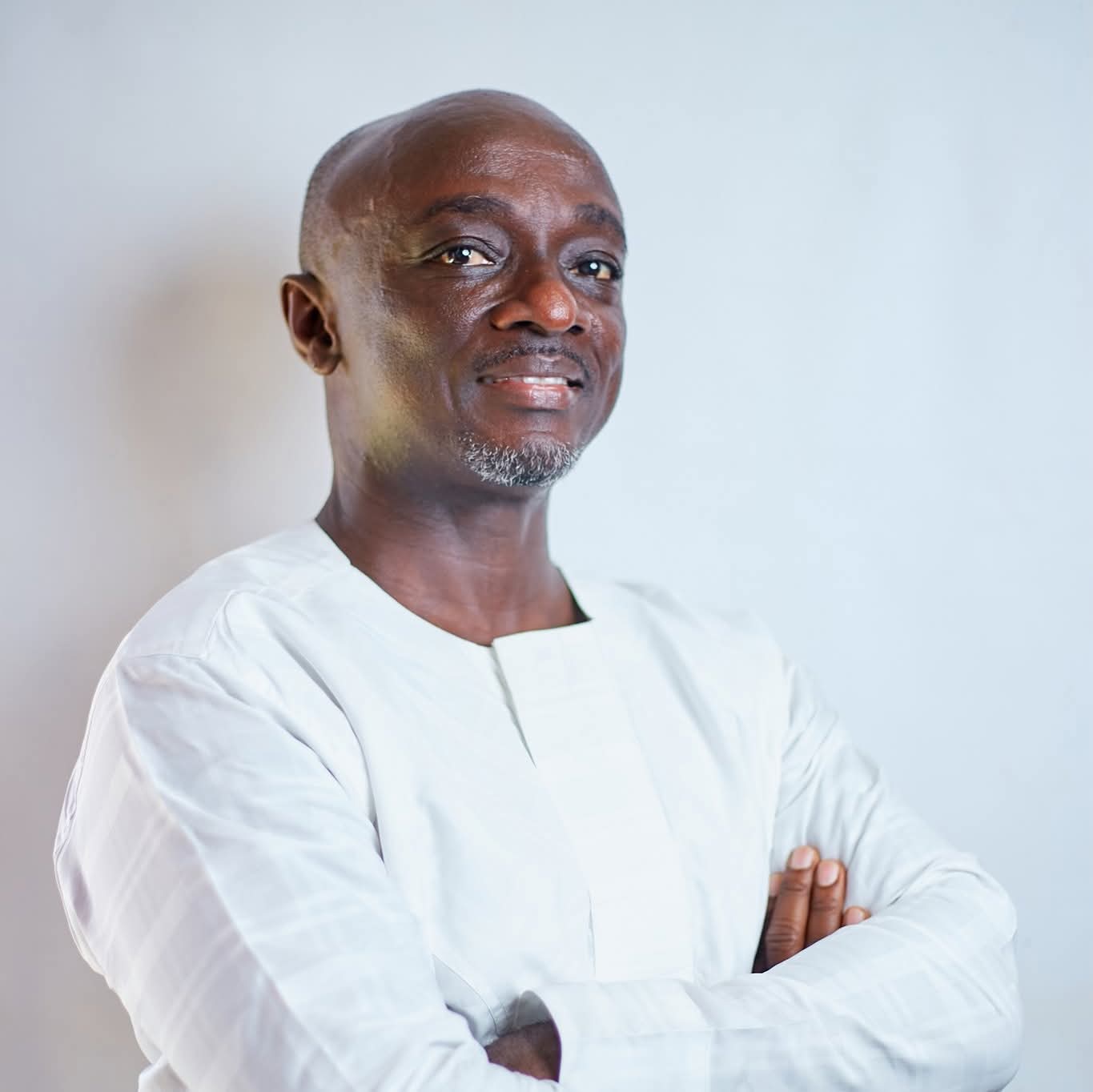
Written by Amb. Edward Boateng ; Ghanas former Ambassador to China and Founder of Global Media Alliance Group.